Introduction
The digital advertising industry has transformed dramatically over the past decade. Marketers now have access to a wide variety of ad formats, each designed to capture attention in different ways. Understanding these formats is essential for building campaigns that resonate with audiences and deliver strong results. This article dives into the most effective types of ad formats and provides insights into how they can be used strategically.
1. Banner Ads
Banner ads remain one of the most recognized ad formats. They are typically image-based and placed on websites to attract clicks.
- Advantages: Easy to design, measurable, and cost-efficient.
- Challenges: Banner blindness (users ignoring them).
- Best Application: Brand exposure and top-of-funnel campaigns.
2. Interstitial Ads
These full-screen ads appear between content transitions, commonly seen in mobile apps.
- Advantages: High visibility, immersive.
- Challenges: Can be disruptive if overused.
- Best Application: Short promotions and special offers.
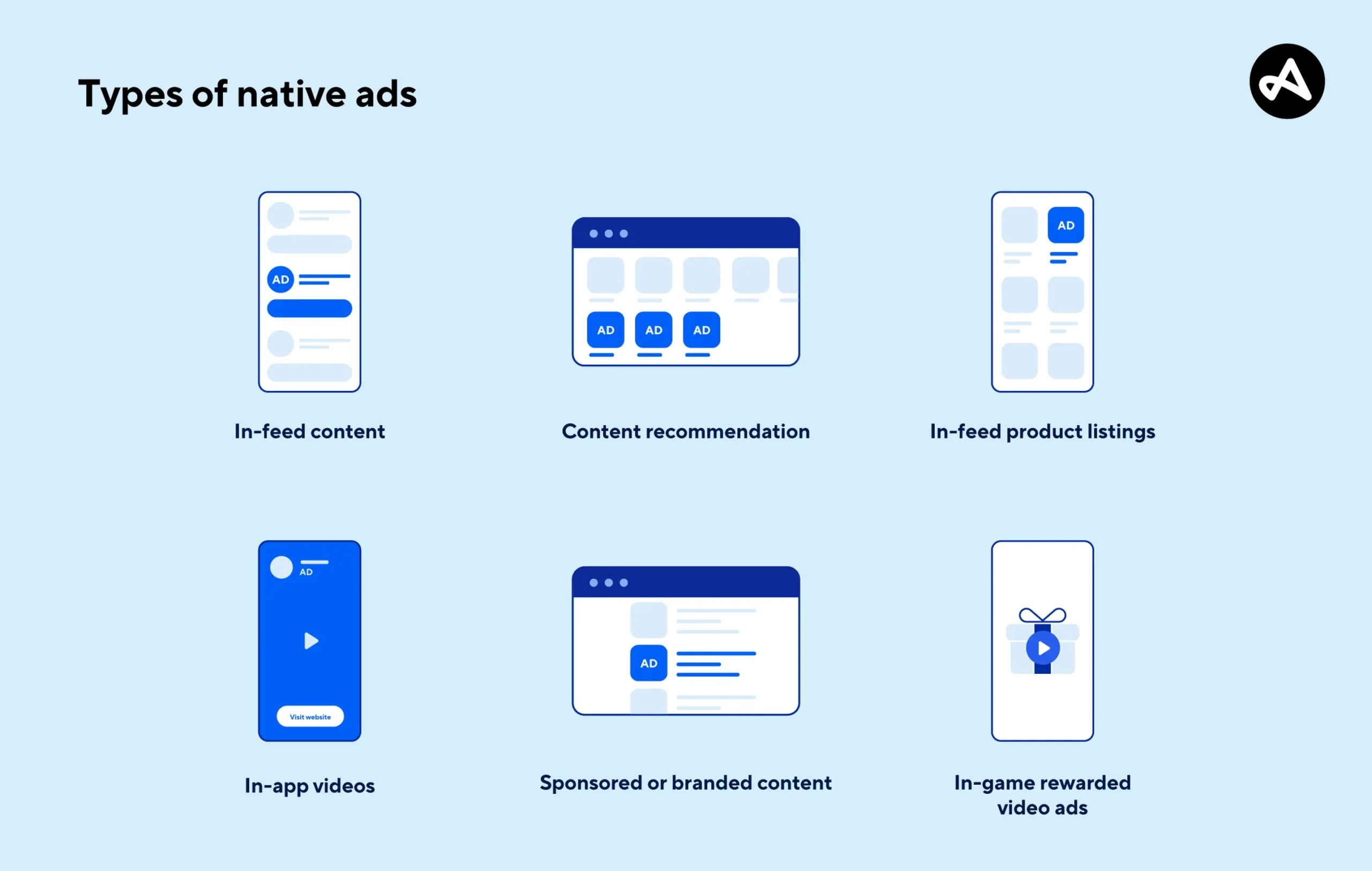
3. Native Advertising
Native ads are designed to look like part of the platform’s organic content.
- Advantages: Higher engagement, less intrusive.
- Challenges: Requires creativity to blend naturally.
- Best Application: Content marketing and storytelling.
4. Video Ads
Video ads are highly engaging and work across multiple platforms.
- Advantages: Strong emotional connection, memorable.
- Challenges: Higher production cost.
- Best Application: Product launches, tutorials, and entertainment.
5. Social Media Formats
Social platforms provide unique ad styles to fit their environments.
- Examples: Carousel ads (Facebook), Story ads (Instagram), LinkedIn sponsored content.
- Advantages: Hyper-targeting, community engagement.
- Best Application: Audience-specific campaigns and lead generation.
6. Programmatic Ads
These use automated technology to buy and place ads in real time.
- Advantages: Efficiency, better targeting, scalability.
- Best Application: Large-scale campaigns with diverse audiences.
7. Influencer Ads
Influencer collaborations are one of the fastest-growing ad formats.
- Advantages: Builds trust, reaches niche audiences.
- Best Application: Lifestyle products, fashion, beauty, and tech.
8. Interactive Ads
Interactive ads allow users to engage with content directly.
- Examples: Quizzes, polls, AR ads.
- Advantages: Boosts engagement, improves brand recall.
- Best Application: Campaigns aimed at younger and tech-savvy audiences.
Conclusion
The variety of types of ad formats ensures that businesses can align their strategies with their marketing goals. A well-structured campaign often combines multiple formats to maximize reach and impact. By testing and optimizing different ad types, marketers can achieve stronger engagement, better ROI, and long-term brand growth